Skip to content
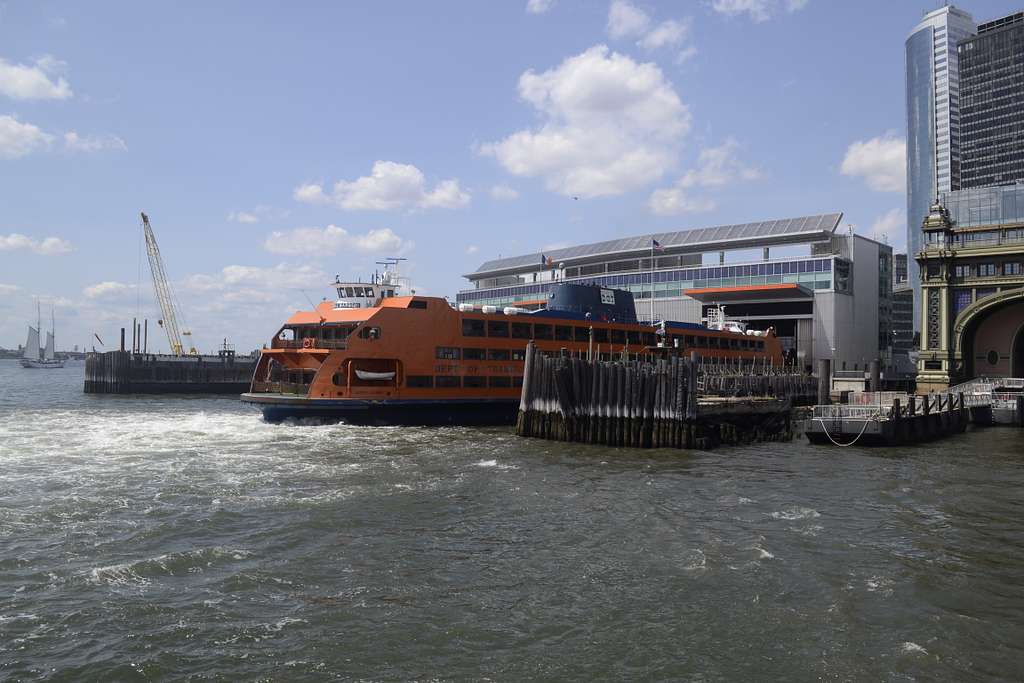
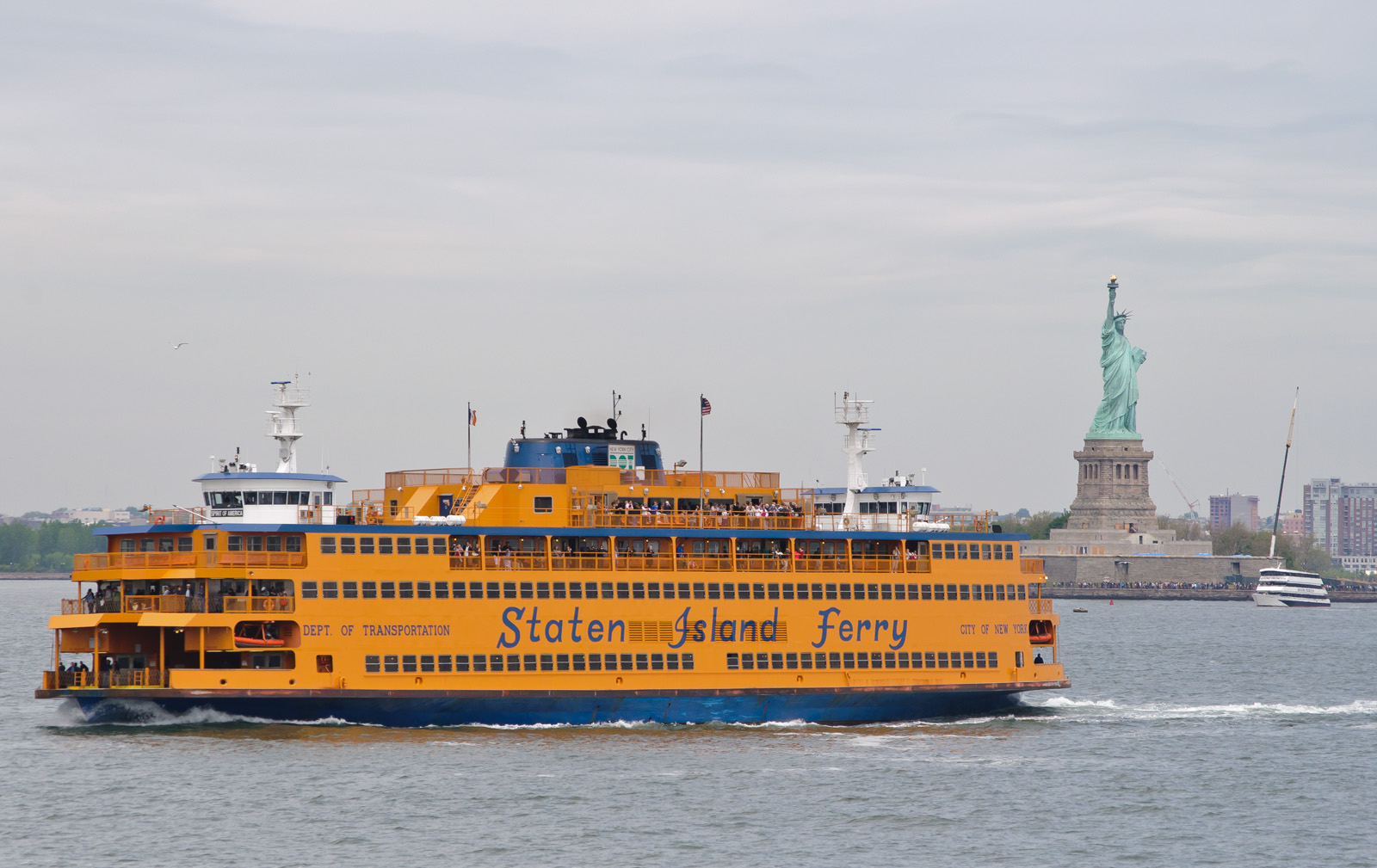
The orange Staten Island Ferry crossing New York Harbor
David and his wife at the Central Park reservoir, with the Manhattan skyline behind them
Your guides on this walk
A self-guided walking tour

Harbor Crossing — history on both sides of the water

Everything strange, haunted, brilliant, and bloody we dug up about the Staten Island Ferry and the neighborhoods on either end of it — organized into a walk you can actually do, on foot, between two ferry terminals.

19Stops
8Categories
$0Ferry fare, always
Leg One · Before You Board

Manhattan Side: a loop through founding history

~0.6 mi · 20 min walk All ten stops loop around Whitehall Terminal — walk it before or after your crossing.
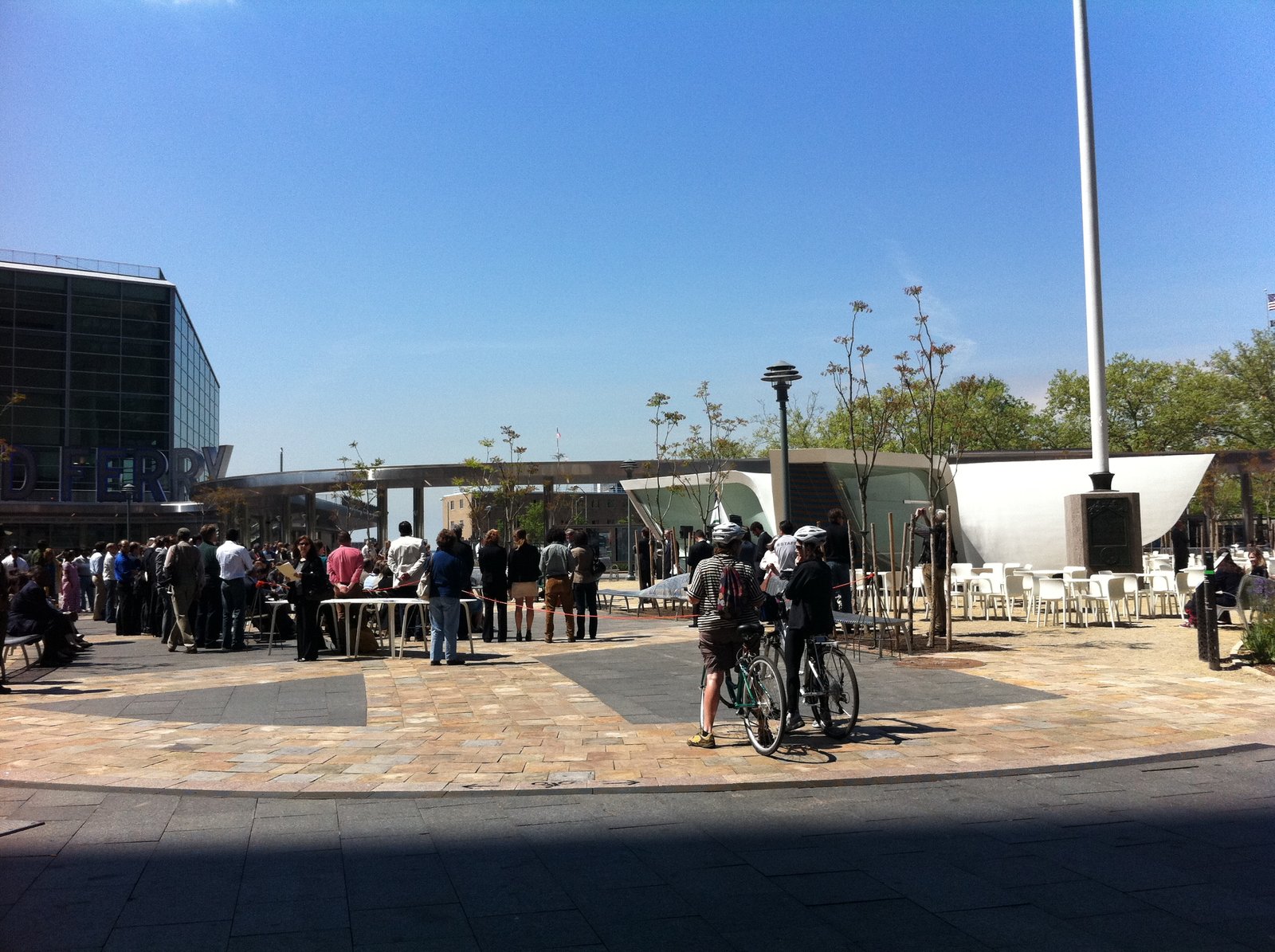
Peter Minuit Plaza outside the Whitehall ferry terminal
History Unique
Step 1 · Right at the terminal doors

Peter Minuit Plaza & the 9/11 Boatlift

You're standing on ground named for Peter Minuit, the Dutch colonial director-general credited with the (largely mythologized) 1626 "purchase" of Manhattan from the Lenape. (Wikipedia)

This terminal also became a staging point on September 11, 2001, when the ferry helped carry more than 50,000 people to safety as part of an improvised half-million-person boatlift across the harbor — by some counts larger than the Dunkirk evacuation. (9/11 Memorial & Museum)

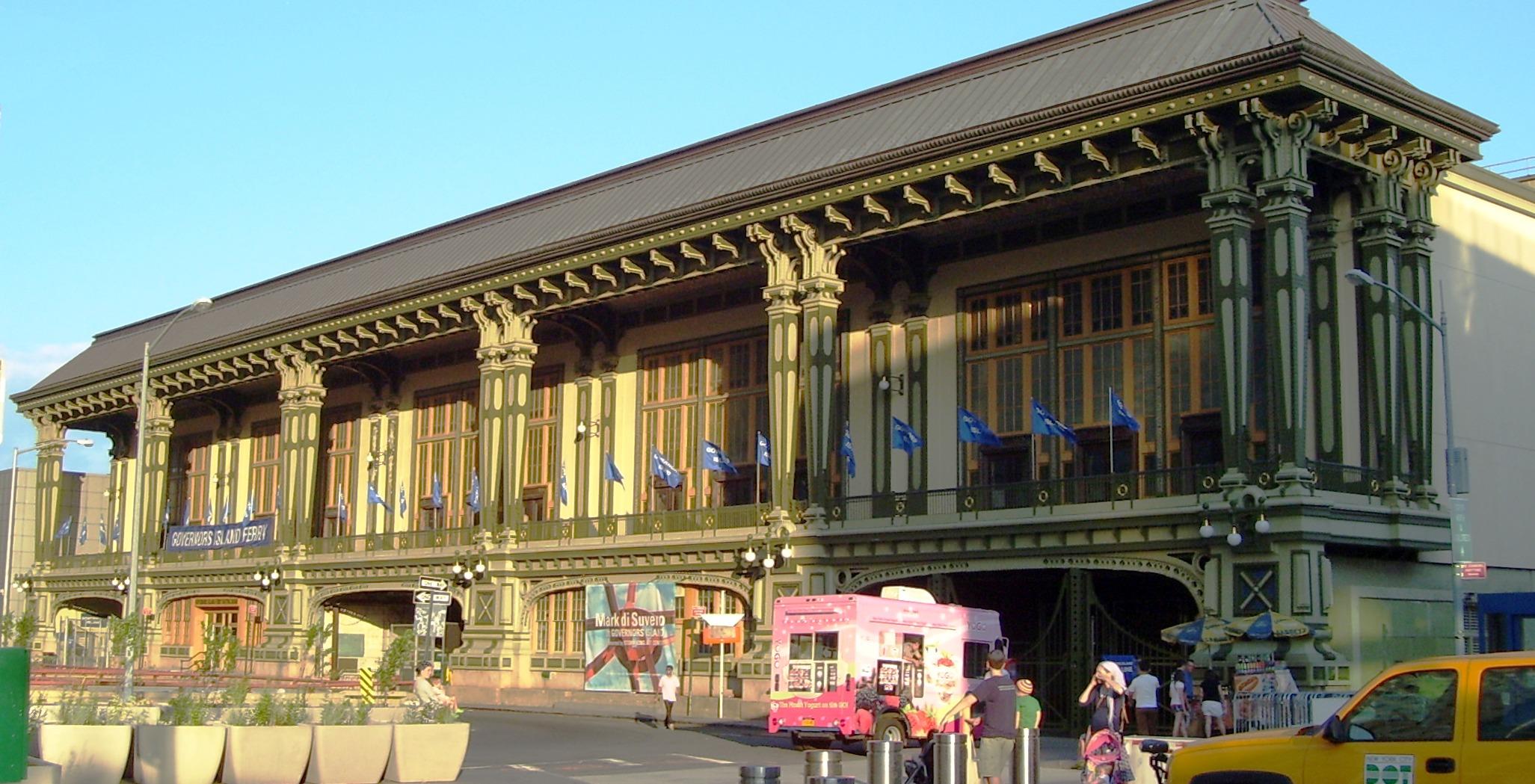
The Beaux-Arts Battery Maritime Building facade in Lower Manhattan
History Movie
Step 2 · Right next door

Battery Maritime Building

This ornate Beaux-Arts terminal, built 1907–09, once dispatched ferries to Brooklyn; today it serves the Governors Island ferry. Its copper-green facade is worth a look even from outside — a reminder that Whitehall's terminal is just the latest of several generations of harbor gateways on this exact block.

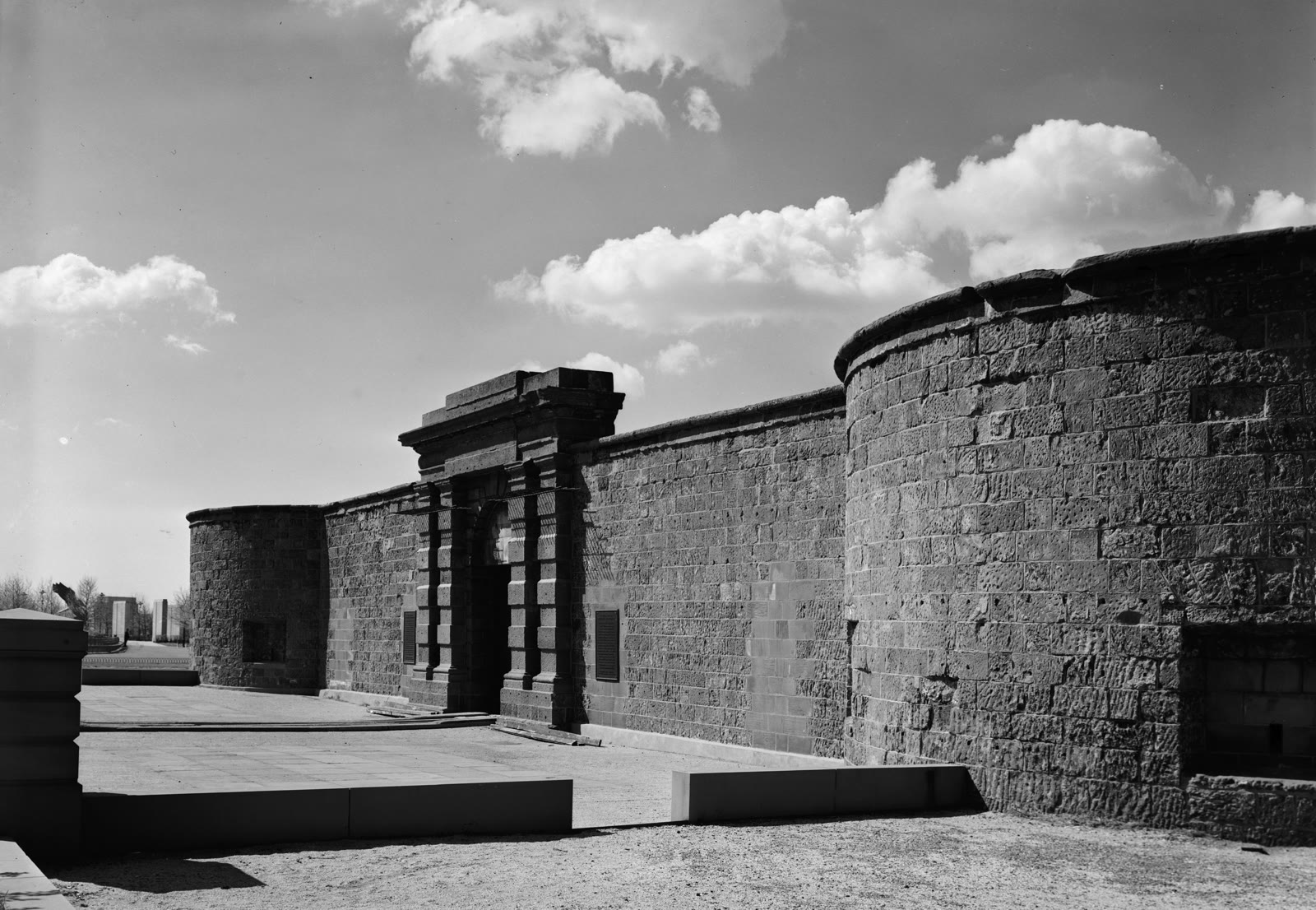
Castle Clinton, the circular sandstone fort in Battery Park
History Science Unique
Step 3 · Inside Battery Park, 3 min

Castle Clinton — fort, opera house, immigration gateway

Built 1808–1811 as a harbor-defense fort, this circular sandstone structure lived at least four lives: fort, elite promenade and opera house ("Castle Garden"), immigration station, and the original home of the New York Aquarium. (Wikipedia)

In 1842, Samuel Morse ran an insulated telegraph cable two miles out to Governors Island and publicly demonstrated his telegraph here. (Lower Manhattan Historical Association)

As Castle Garden, it also served as America's first official immigration station from 1855–1890, processing roughly 8 million arrivals before Ellis Island existed — Nikola Tesla among them, arriving in 1884. (NY Historical Society)

The excavated 18th-century battery wall embedded in the South Ferry subway station
Unique
Step 4 · Look down at the subway entrance

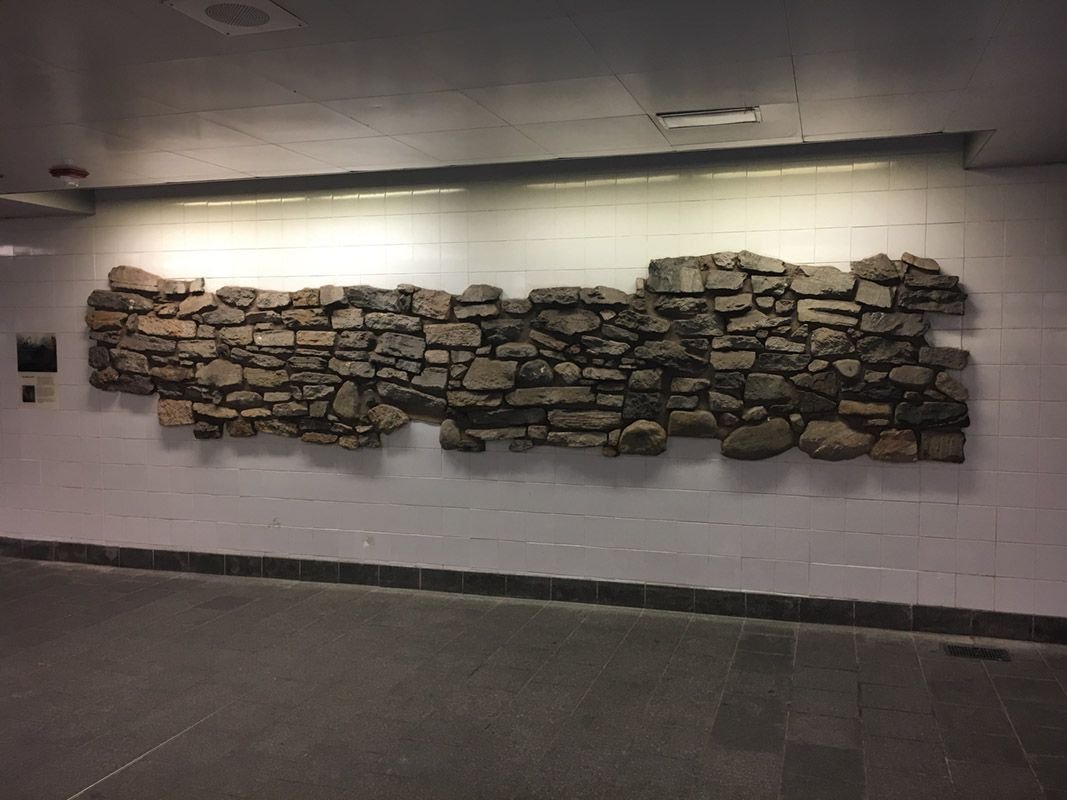
The buried Battery wall

While building the new South Ferry/Whitehall subway station in 2005, crews unearthed a stone wall now recognized as the oldest human-made structure still standing in place in Manhattan — likely a remnant of the original harbor-defense batteries that gave this park its name. A section is embedded right into the subway entrance; another piece is on display inside Castle Clinton. (Untapped New York) (NYT)

The Alexander Hamilton U.S. Custom House near Bowling Green
History Movie Literary
Step 5 · 5 min north

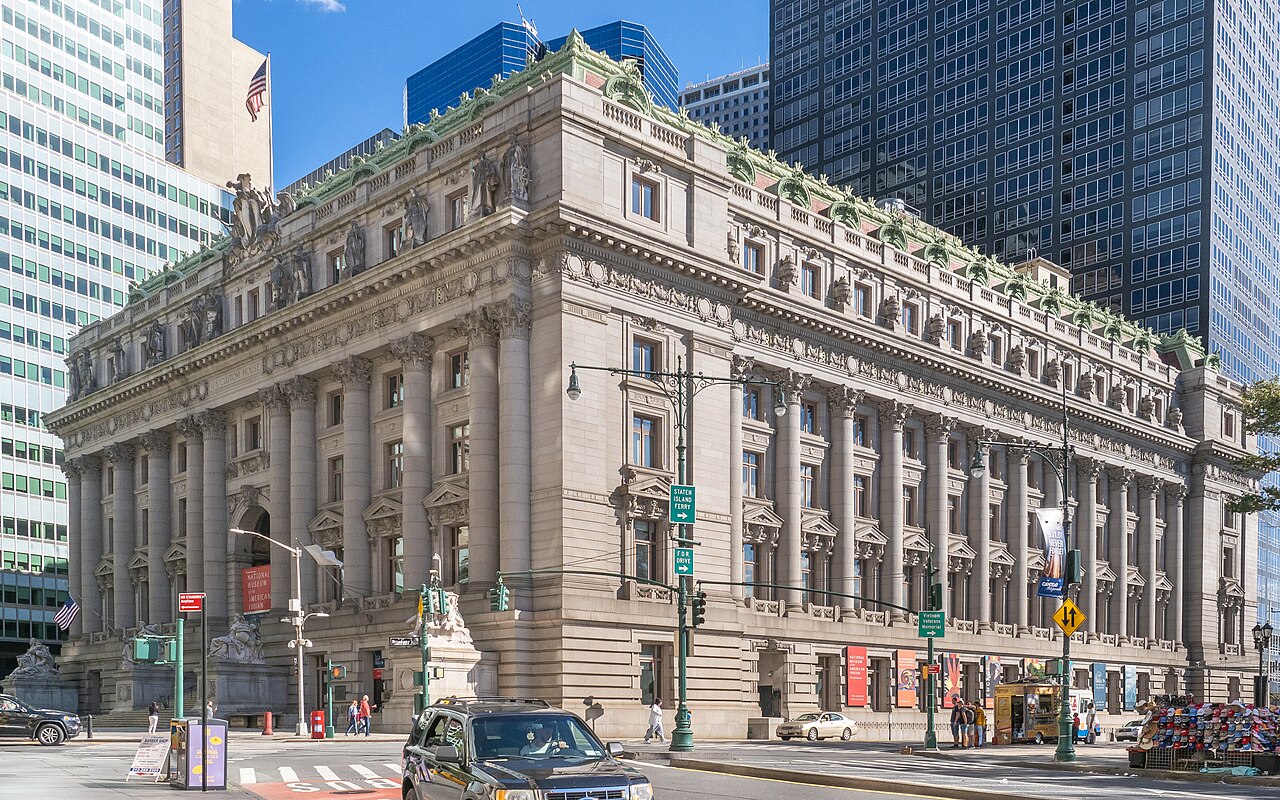
Bowling Green & the Custom House

Bowling Green is one of New York's oldest public spaces. The old U.S. Custom House beside it — now the National Museum of the American Indian — sits near where Peter Stuyvesant's Dutch wall reputedly stood; Washington Irving's satirical History of New York, narrated by the fictional "Diedrich Knickerbocker," turned that wall into legend and gave Wall Street its name. (Irving's History of New York)

Herman Melville worked as a customs inspector on the piers near here for nearly two decades after Moby-Dick failed to sell. (Eric Pfeffinger) The building also played fictional "Trask Industries" in Working Girl (1988). (Wikipedia)

The cobblestoned Stone Street Historic District lined with bars and restaurants
History Unique
Step 6 · 3 min

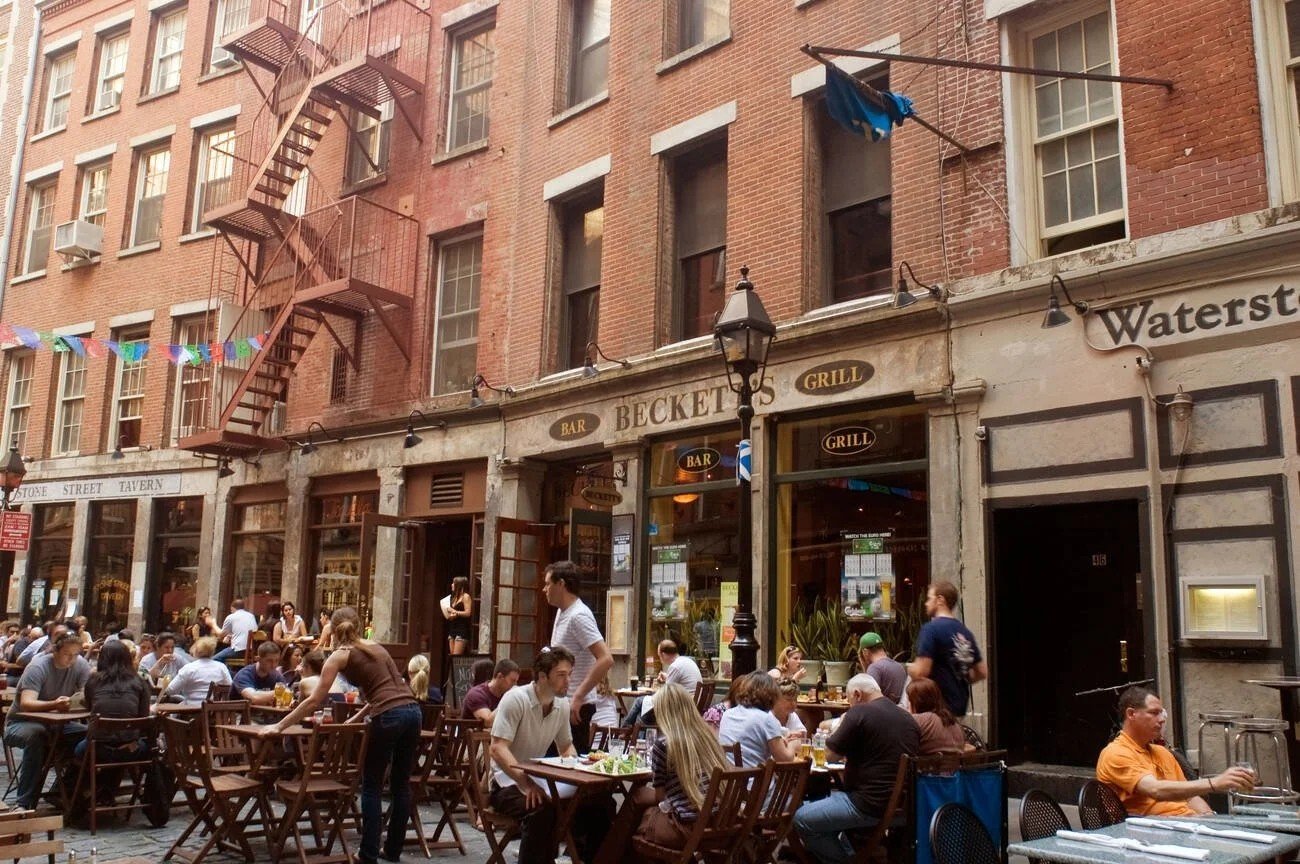
Stone Street Historic District

A cobblestoned, pedestrian-only block first paved in 1658 — one of New Amsterdam's original streets. Restored in the 1990s and designated a historic district in 1996, it's now lined with Dutch Revival buildings, bars, and restaurants, a rare surviving sliver of the city's original street grid. (Stone Street NYC)

Fraunces Tavern, an 18th-century building in Lower Manhattan
History Ghost
Step 7 · 1 min from Stone Street

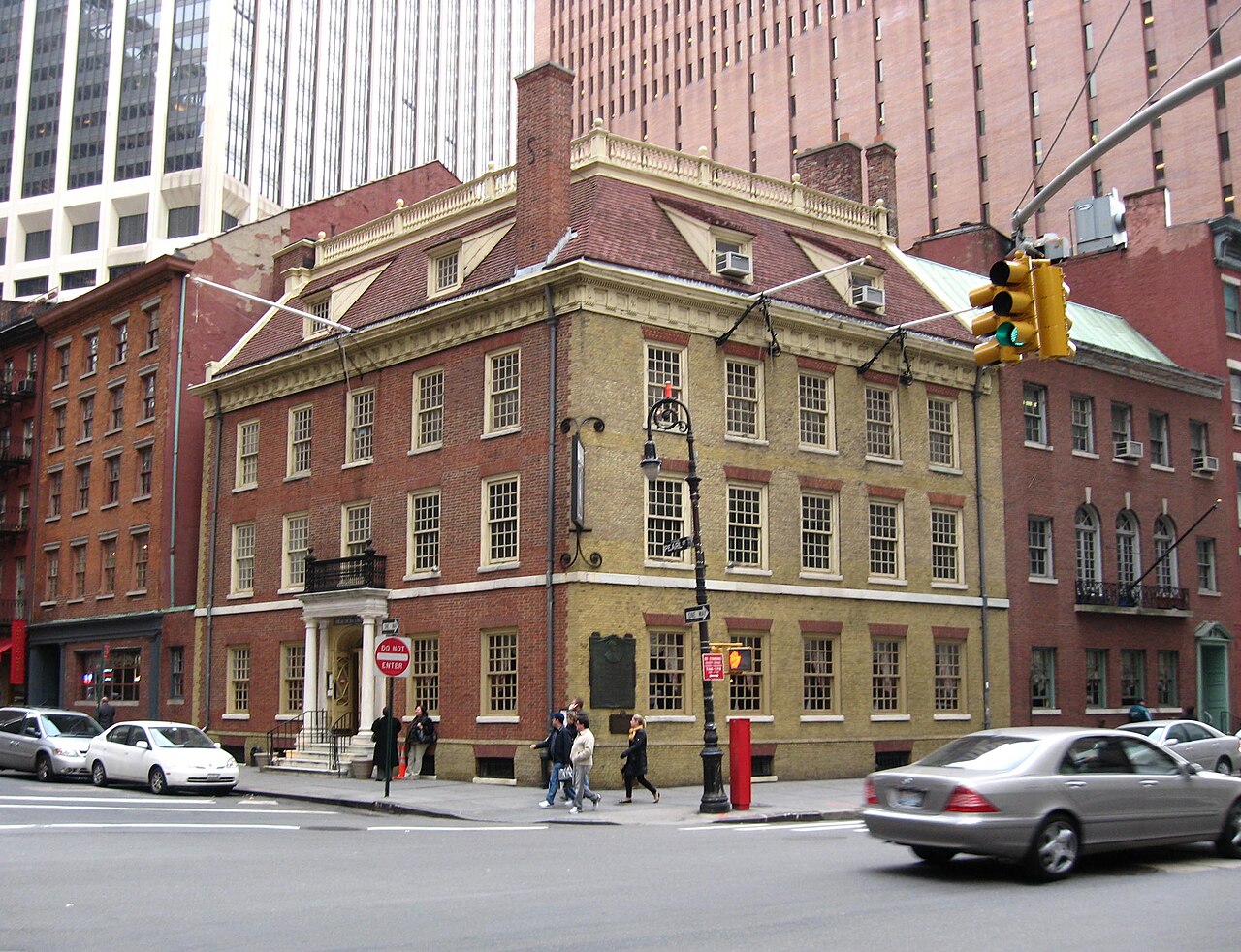
Fraunces Tavern — Washington's farewell, and a lingering ghost

The building dates to 1719; owner Samuel Fraunces later became George Washington's chief steward. In the upstairs "Long Room," Washington delivered his farewell address to his officers in 1783 — recreated today in the museum upstairs ($10 admission). (Stone Street NYC)

It's also considered one of New York's most haunted buildings — staff and paranormal investigators report phantom footsteps and slamming doors, blamed on the ghost of Aaron Burr's daughter Theodosia, who vanished at sea in 1812 and allegedly still pilfers earrings from patrons. (visitNYC)

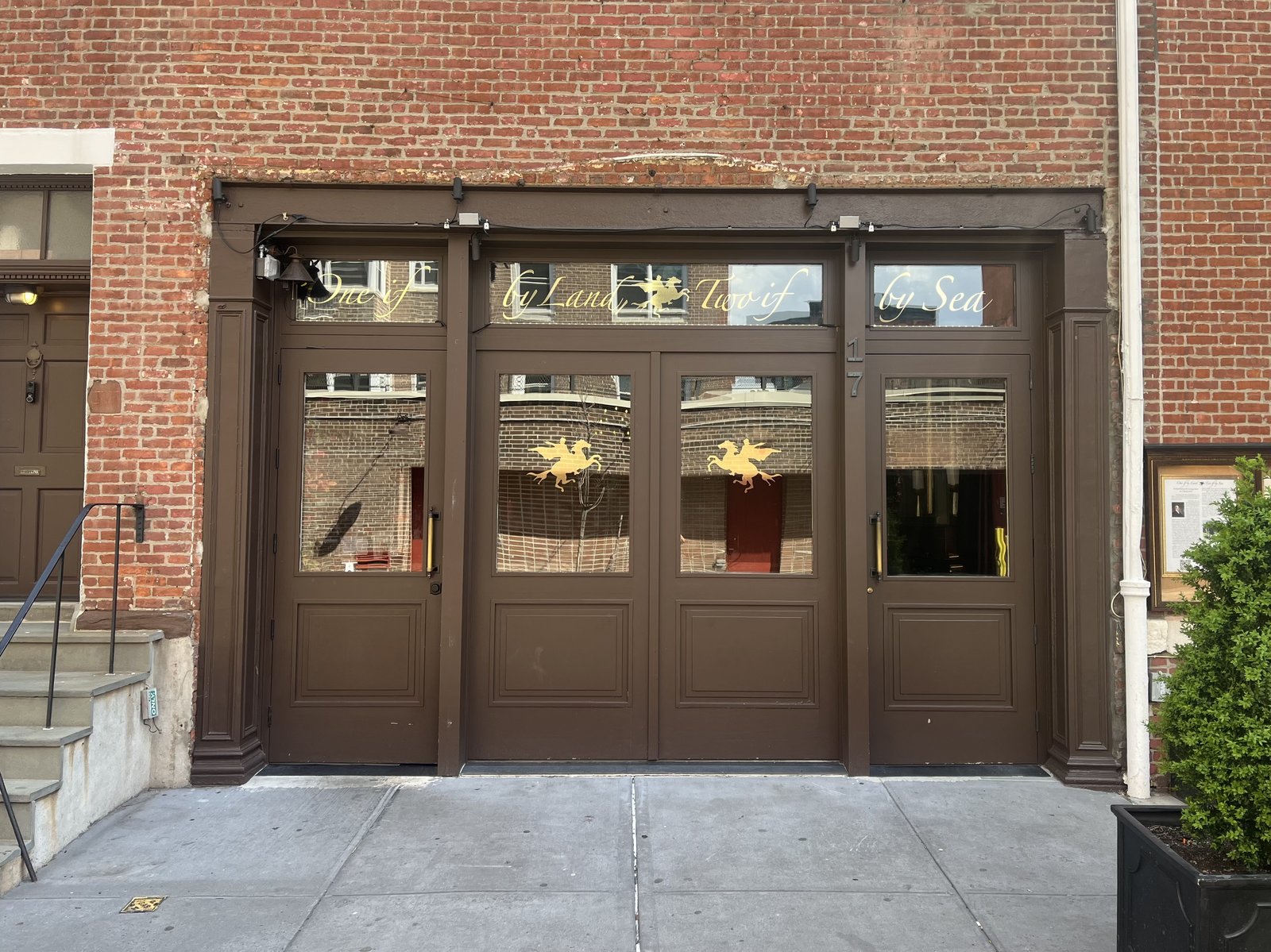
The candlelit entrance of One if by Land, Two if by Sea in a former carriage house
Ghost
Step 8 · Nearby carriage house

One if by Land, Two if by Sea

A candlelit bar inside an 18th-century carriage house, also woven into the Aaron Burr / Theodosia ghost legend — a favorite stop on the city's haunted-bar tours. Worth noting: a debunking outlet flags that many downtown "haunted" claims lean more on marketing folklore than documented history. (visitNYC) (Boroughs of the Dead)

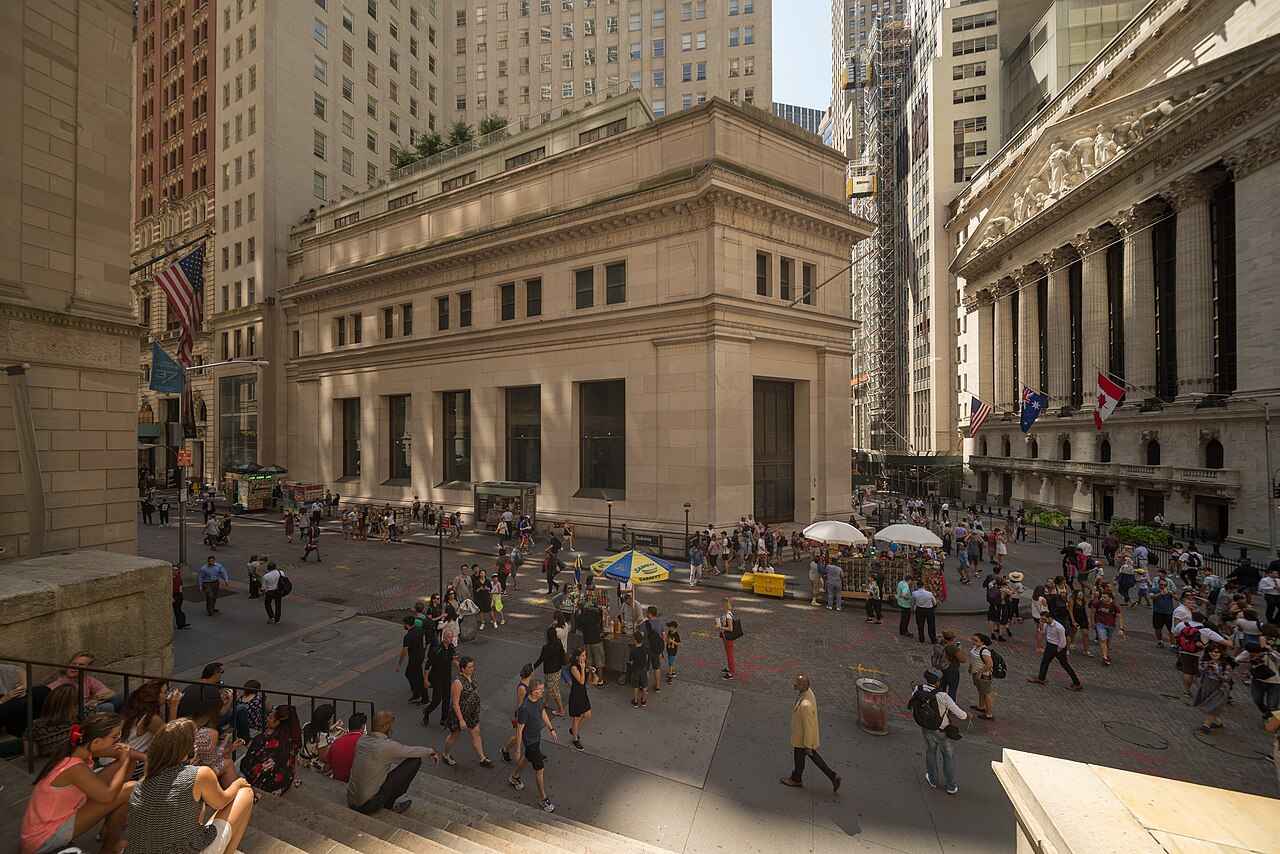
A stone office building on Wall Street in the Financial District
Crime Literary
Step 9 · 4 min to Wall & Broad

Wall Street — a bombing, a scrivener, and a wall that named a street

In 1920, a horse-drawn cart packed with dynamite exploded outside the J.P. Morgan building at Wall and Broad Streets, killing 38 people. It remains the FBI's oldest unsolved case, widely (but never proven) blamed on Italian anarchist Mario Buda. Shrapnel pockmarks are still visible on 23 Wall Street's facade. (Britannica) (History.com)

Melville set "Bartleby, the Scrivener: A Story of Wall Street" (1853) in a law office practically atop where you're standing — a clerk who refuses every task with "I would prefer not to," read by scholars as an early critique of Wall Street's dehumanizing rise. (Wikipedia)

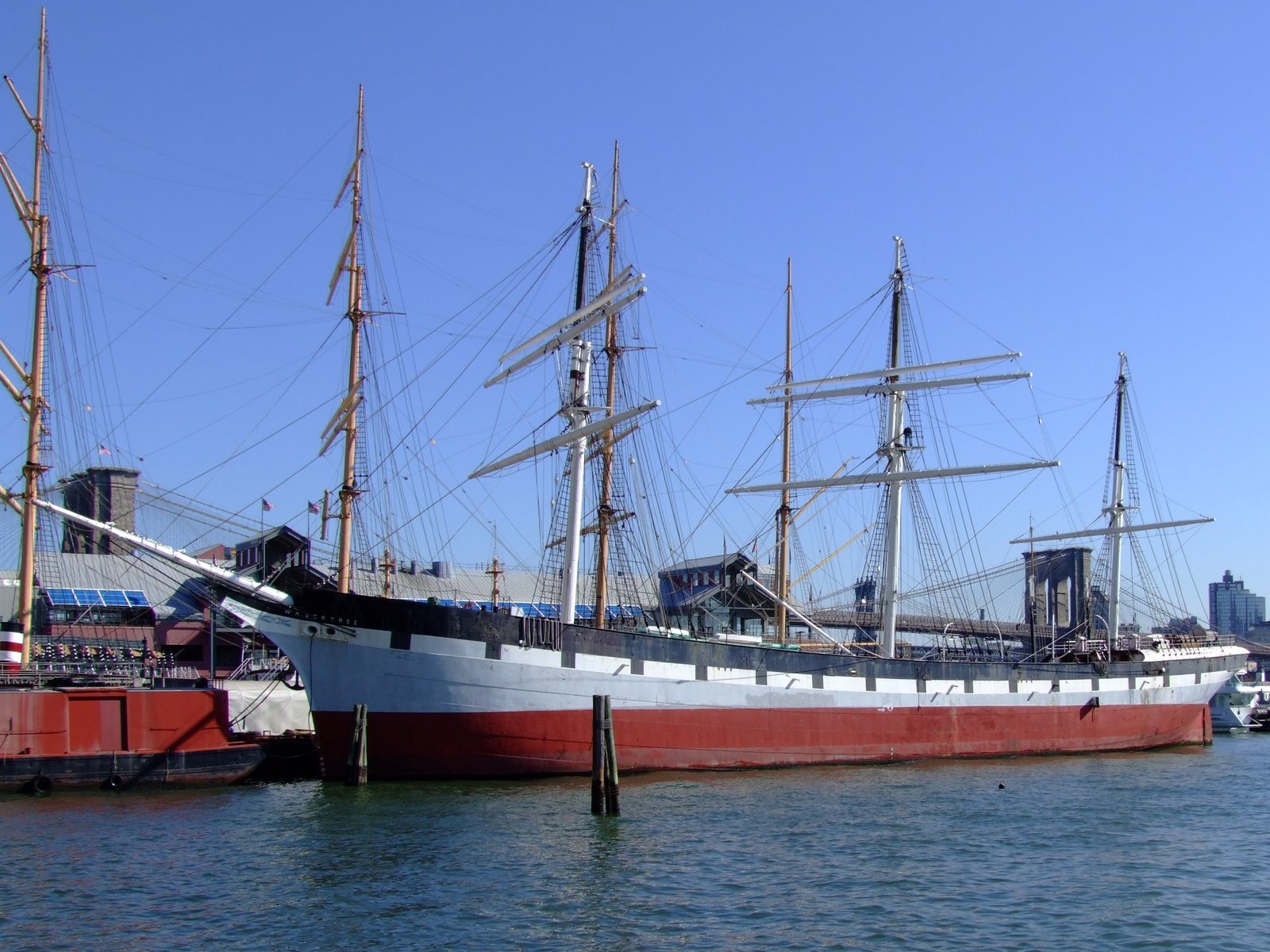
A tall ship moored at South Street Seaport with the Brooklyn Bridge behind it
History Movie
Step 10 · Worth the extra 10 min, north along the water

South Street Seaport

Manhattan's historic port district — cobblestone streets, tall ships, and 19th-century commercial buildings. A bar here also shows up in Working Girl's filming-location list alongside the ferry and the Custom House, tying this whole loop back to one film. (Movie Locations)

Route tip: Do this loop before you board — Whitehall Terminal sits right in the middle of it, so you can walk the block, then step straight onto the boat.

Leg Two · On the Water

The crossing itself is a movie set, a crime scene, and a poem

~25 min · free Stay out on deck — this is one of the best free views in the city.
The orange Staten Island Ferry underway in New York Harbor
Movie Crime Literary Unique
Right now · mid-crossing

Twenty-five minutes, a century of stories

This exact ride opens Working Girl (1988) — Mike Nichols shot Melanie Griffith and Joan Cusack disembarking at Whitehall mixed in with real commuters, reportedly without a permit, scored to Carly Simon's Oscar-winning "Let the River Run." Spider-Man: Homecoming (2017) built a full-scale replica for its ferry-ripped-in-half sequence in Atlanta, but also filmed real pickup shots aboard an actual boat under the fake title "Summer of George." Decades earlier, a young Martin Scorsese shot a scene of his directorial debut, Who's That Knocking at My Door (1969), right in the St. George terminal. (Hollywood Reporter) (Yahoo Entertainment) (Old Staten Island)

Walt Whitman rode harbor ferries obsessively and wrote "Crossing Brooklyn Ferry" about the Manhattan–Brooklyn run — the crowds, water, and motion he mythologized there shaped a whole body of harbor-crossing poetry this route belongs to. He edited newspapers around these docks before Leaves of Grass made him famous. (Whitman Archive)

In 1986, a man named Juan Gonzalez pulled a sword hidden in newspaper mid-crossing and killed two passengers, wounding twelve, before a retired NYPD officer riding home from a security job shot and subdued him. (LA Times)

Ride trivia: it's the only entirely free, 24-hour public ferry in the city. The fleet has been painted its signature burnt-orange since 1926 for fog visibility — it started out white. Cars rode onboard until 9/11; before that, in the 19th century, the boats hauled actual horses. A 16-year-old Cornelius Vanderbilt started the whole route in 1810 with a boat bought using birthday money. And harbor seals now winter in New York Harbor, with humpback whales making a real comeback feeding just off Staten Island's shores. (Staten Island Buzz)

Leg Three · St. George Terminal

Staten Island side: history right at the dock

~0.5 mi · 15 min walk All four stops (plus one footnote) are within a few minutes of the terminal.
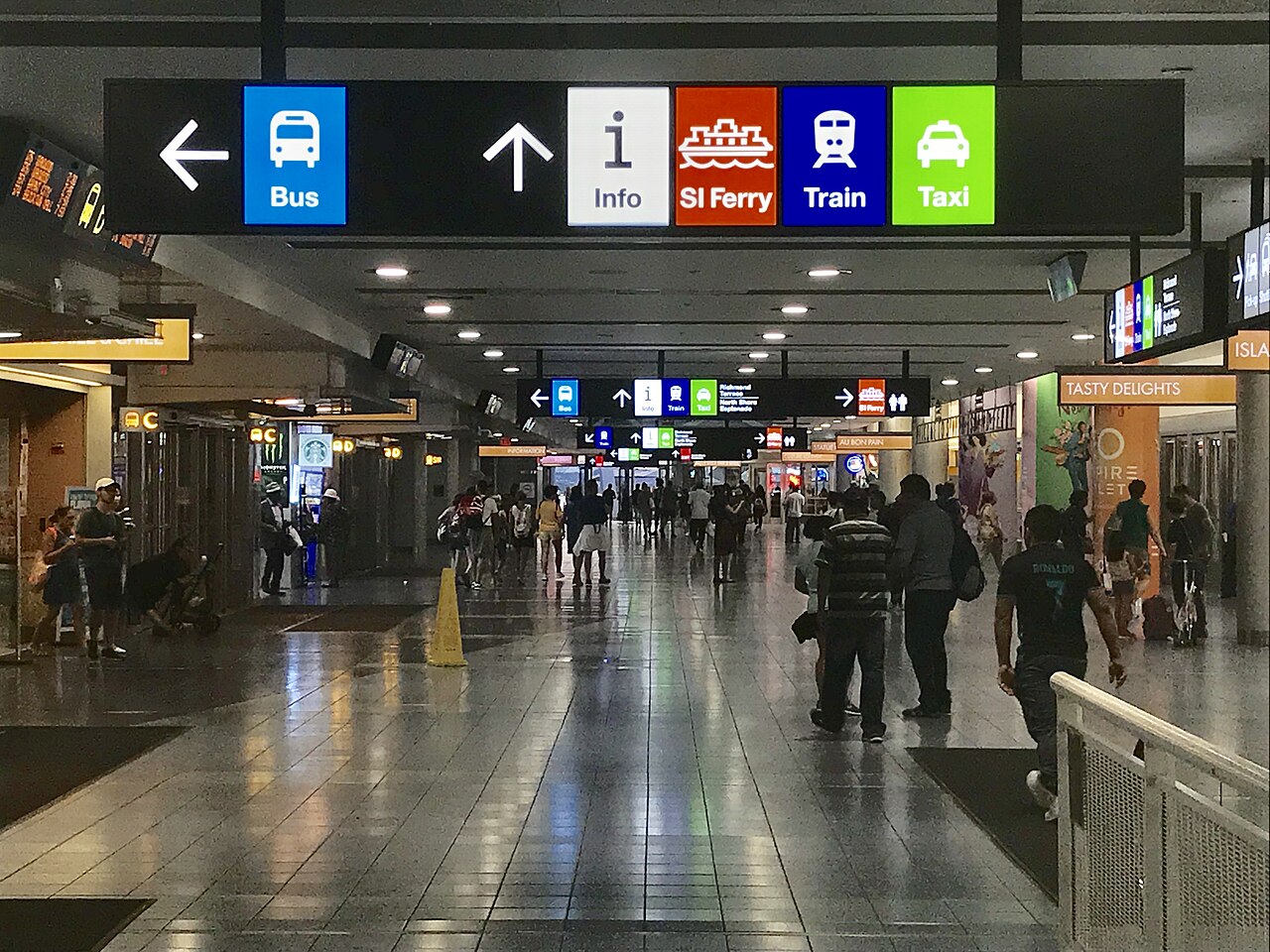
Interior of the St. George Ferry Terminal on Staten Island
History Unique Crime
Step 1 · Off the boat

St. George Terminal & the Lighthouse Tower

The terminal's artist-designed iron tower honors the former U.S. Lighthouse Service Depot — five surviving depot buildings still stand behind the ferry maintenance facility, once supplying lenses and parts to lighthouses nationwide. St. George is also the only U.S. ferry terminal still directly connected to electric third-rail subway trains. (NYC.com)

In 2003, months before the disaster at the next stop, two undercover NYPD detectives were killed in a gun-buy sting on Staten Island. The next morning, a civilian riding this ferry to work recognized the wanted shooter's face from the newspaper and quietly alerted an officer onboard — leading to an arrest right there on the boat. (PIX11)

Victorian houses on a hillside street in the St. George Historic District
History
Step 2 · A few blocks up the hill

St. George Historic District

The neighborhood beyond the terminal has notable late-19th and early-20th-century architecture — worth a short wander if you want to see beyond the ferry plaza itself. (Historic Districts Council)

The Andrew J. Barberi ferry docked at the Staten Island terminal
Crime Unique
Step 3 · The dock itself

The Andrew J. Barberi — NYC's deadliest ferry disaster

On November 15, 2003, the ferry Andrew J. Barberi rammed a concrete pier at full speed right at this terminal, killing 11 people and injuring 70. The assistant captain had blacked out from undisclosed medication, leaving no one in proper control; he fled the scene and attempted suicide before pleading guilty to manslaughter, as did the ferry system's director of operations for failing to enforce the two-pilot rule. (Wikipedia) (NTSB Report)

It wasn't the first. In 1871, the predecessor ferry Westfield's boiler exploded at the Whitehall slip, killing up to 91 people — among the injured was Antonio Meucci, the telephone pioneer you'll meet in the extended stops; his family was so poor afterward that his wife sold his lab equipment for medicine money. (Wikipedia)

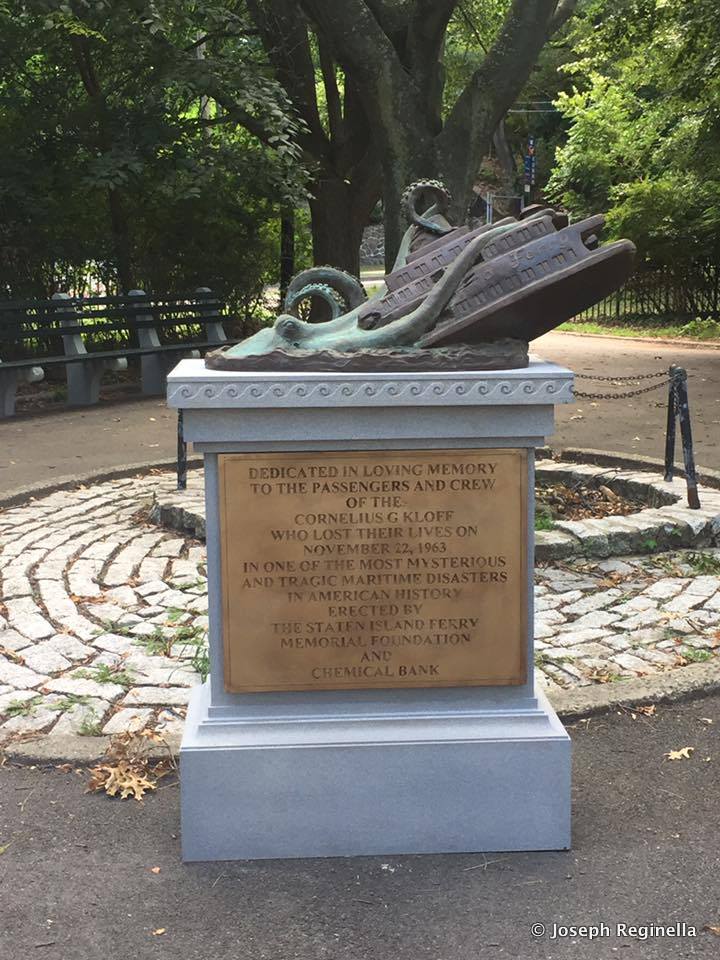
The fake octopus attack memorial plaque on Staten Island
Unique
Step 4 · Near the terminal grounds

The Staten Island Ferry Octopus Attack Memorial

Staten Island artist Joseph Reginella built an entire fake historical plaque and monument commemorating a fictional 1963 tragedy — a giant octopus supposedly dragged a ferry underwater, the story "conveniently forgotten" because it happened the same day as JFK's assassination. It's completely invented, but it fooled plenty of tourists and locals for years. Reginella has planted other fake monuments around Staten Island too, including a bootlegging bulldog and a tugboat alien abduction. (Untapped New York)

Also somewhere on this island: mob history

No single stop covers this — Staten Island was long a mob "bedroom community." Al Capone, Lucky Luciano, Albert Anastasia, John Gotti, and Sammy "the Bull" Gravano all had homes or formative ties here. Early 20th-century gangs used the island's then-sparse farmland to dump victims stuffed in barrels — the so-called "barrel murders." (AmericanMafia.com)

In 1987, a botched hit on Gotti went wrong here, leaving the would-be assassin dead in a candy store basement instead. And in 2019, Gambino boss Frank "Franky Boy" Cali was shot dead outside his Staten Island home — the first assassination of a sitting Gambino boss since Paul Castellano in 1985. (UPI Archives) (CBS News)

Leg Four · Worth the Detour

If you've got a few more hours: bus or car from St. George

15–30 min each, by bus/car Not walkable from the terminal — but each is a short ride and genuinely worth it.
A historic building at Sailors' Snug Harbor on Staten Island
Ghost History
~15 min by bus

Sailors' Snug Harbor

Once a retirement home for sailors, this sprawling campus is now a cultural center — and Staten Island's most famous haunted destination, investigated on both Ghost Hunters (with Meredith Vieira) and Ghost Adventures. (IMDb)

The central legend: a "Matron" who ran the property in the late 1800s allegedly kept her mentally ill son locked in the basement until he escaped and killed her; visitors report a woman in white and chain-rattling sounds from her still-standing house. A real, documented tragedy adds to the lore — Father Robert Quinn, who served the Snug Harbor chapel, was shot by a retired seaman after a dispute; apparitions have been reported near the church since. (A Writer's Journey)

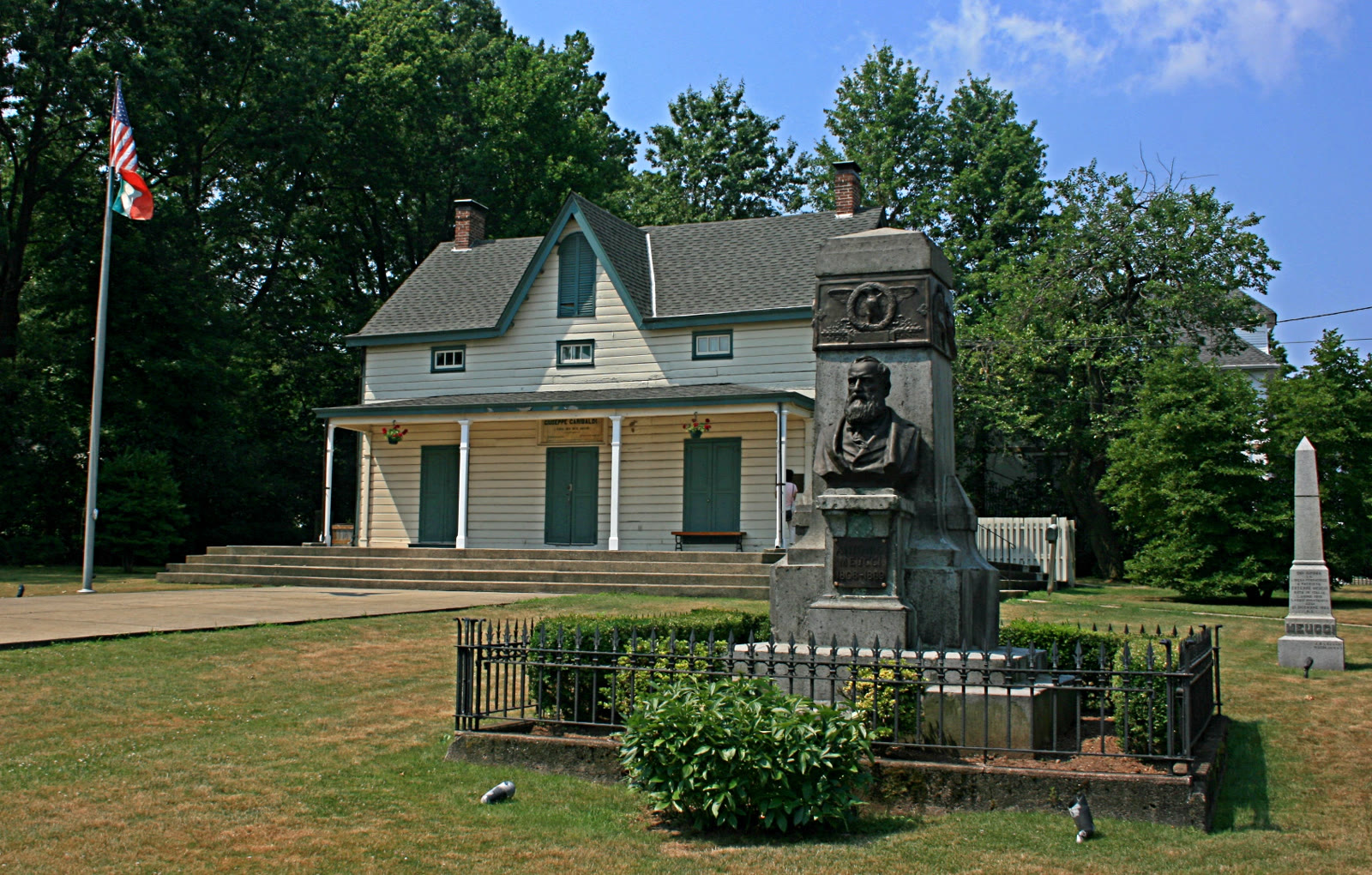
The Garibaldi-Meucci Museum house in Rosebank, Staten Island
Science History Unique
~15 min by bus, Rosebank

Garibaldi-Meucci Museum

Italian immigrant Antonio Meucci built a working voice-transmission device — his "teletrofono" — around 1854, more than two decades before Alexander Graham Bell patented the telephone in 1876. He reportedly discovered the effect by accident while administering electric shock therapy to a patient. Too poor to renew his patent and facing a language barrier, he lost his claim in court — though the U.S. House of Representatives formally recognized his contribution in 2002. (Garibaldi-Meucci Museum) (CBS New York)

Giuseppe Garibaldi, the Italian revolutionary who later unified Italy, hid out in this same house starting in 1850 while it was too dangerous to stay in Europe. The two men made candles for income until Garibaldi returned home to lead his unification campaigns — their shared cottage is now on the National Register of Historic Places. (Order Sons and Daughters of Italy)

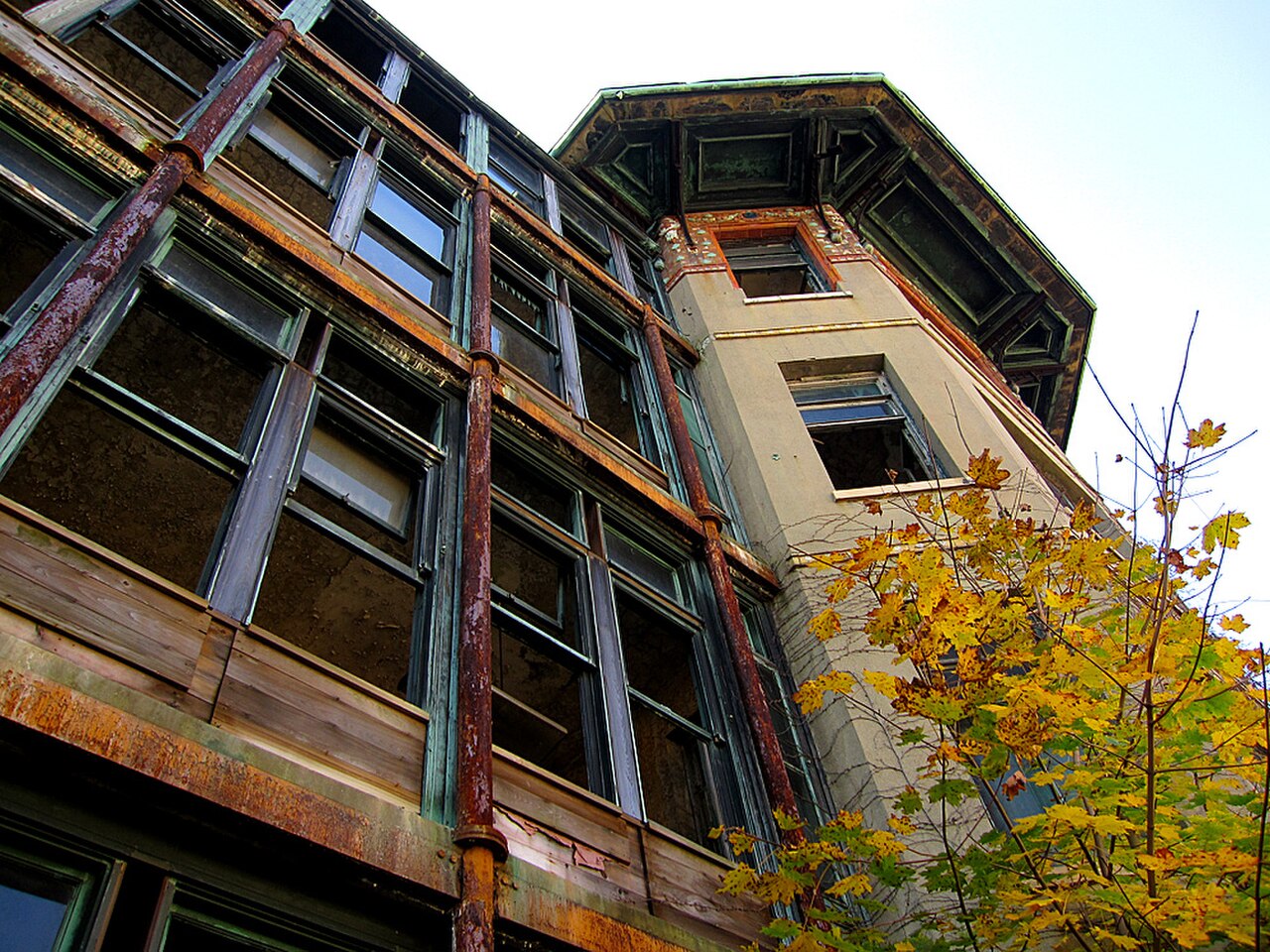
Sea View Hospital buildings on Staten Island
Medical
~20 min by bus/car

Sea View Hospital — where tuberculosis was actually cured

Once the largest tuberculosis sanatorium in the U.S., Sea View is where Dr. Edward Robitzek and Dr. Irving Selikoff began the first human trials of isoniazid in May 1951 — a drug only tested in mice and guinea pigs before this. Patients bedridden for years, some logged at 800-plus days of hospitalization, were reportedly dancing in the hallways within weeks. (Skipped History) (C&EN)

Isoniazid triple therapy pushed cure rates to 90–95%, closed sanatoriums nationwide, and is credited with saving an estimated 66 million lives since 2000 alone. The overlooked story: the trial's success depended almost entirely on a team of Black nurses — nicknamed the "Black Angels" — effectively segregated into TB nursing after white nurses refused the assignment. Their clinical vigilance is what let Robitzek trust the drug enough to scale the trial from 5 patients to 97. The team won the Lasker Award in 1955. (IDSA)

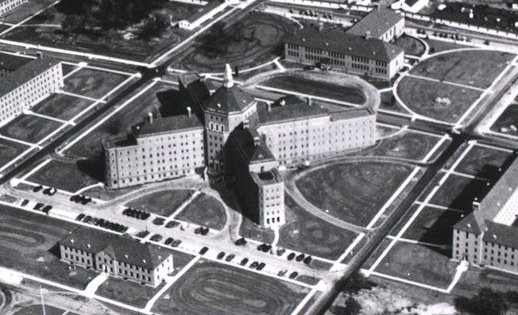
Historic aerial photo of the Willowbrook State School campus on Staten Island
Medical
~25 min by bus/car

Willowbrook State School — a bioethics turning point

Also on Staten Island: Willowbrook, a state institution for children with intellectual disabilities, where Dr. Saul Krugman ran hepatitis experiments from 1956–1971 — deliberately infecting children to study the disease's natural course and test gamma-globulin as a treatment. Consent forms were vague and arguably coercive — enrollment in the experimental ward was sometimes the only way to get a child off Willowbrook's severely overcrowded waitlist. (Bioethics Research Center)

Geraldo Rivera's undercover 1972 exposé of the institution's broader abuse and neglect brought public scrutiny that ultimately connected to the hepatitis study scandal — the fallout became a core case study in the Belmont Report and modern research-ethics rules on informed consent and vulnerable populations. (Voices in Bioethics, Columbia)

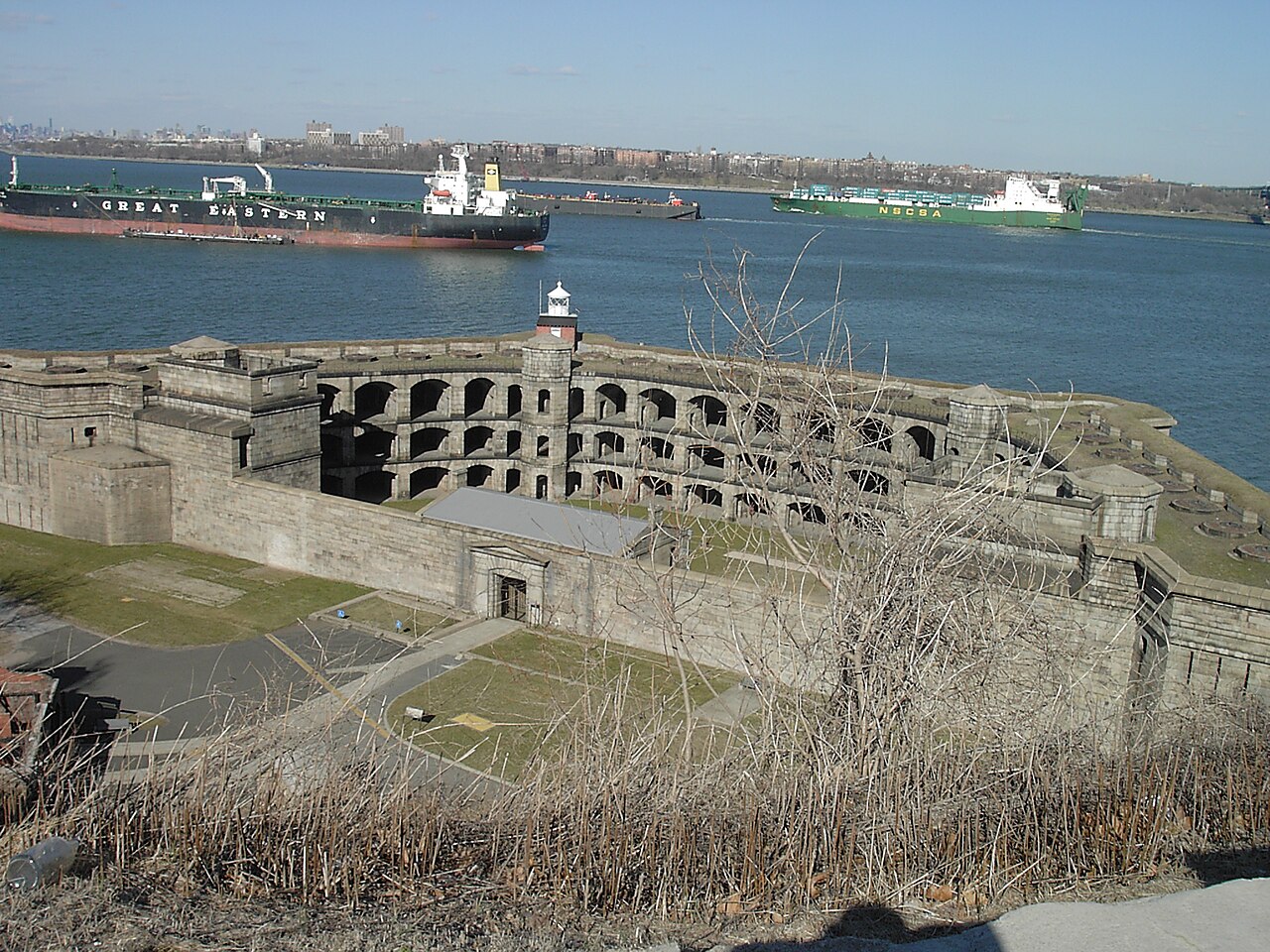
Fort Wadsworth overlooking the Verrazzano-Narrows on Staten Island
History
~25 min by bus/car, near the Narrows

Fort Wadsworth

One of the oldest continuously garrisoned military sites in the U.S., Fort Wadsworth has guarded the Narrows since the Dutch and British colonial eras through World War II, with abandoned tunnels and harbor-defense history you can still explore, run by the National Park Service. (NPS)

Staten Island's Revolutionary War role runs deeper: in September 1776, Benjamin Franklin and John Adams met British Admiral Lord Howe on the island for a real peace conference to try to end the war before it escalated — Howe couldn't offer independence, so talks collapsed within hours. The island had just served as the staging ground for the entire British invasion force that took New York City that year. (Our American Revolution)

Sea View and Willowbrook sit within a few miles of each other on the same island — one a story of nurses and clinical courage producing one of the 20th century's great cures, the other a cautionary tale that helped shape the ethical guardrails clinical research operates under today.

No stops match that combination of filters. Try clearing a category above.